
Part 2 of 5
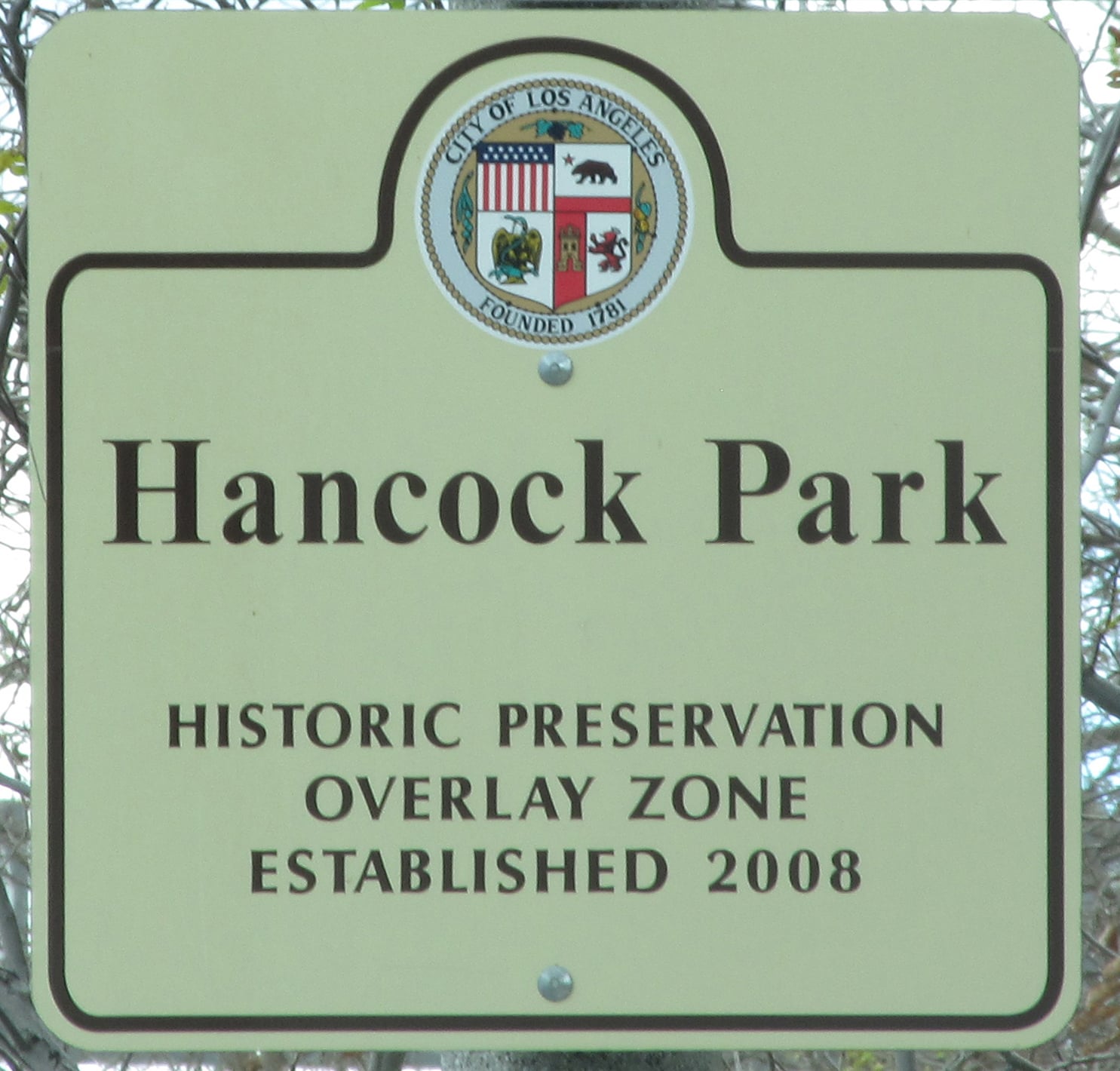
The Historic Preservation Overlay Zone (HPOZ) covering Hancock Park isn’t just a regulatory burden — it’s a major value-driver. Here’s why understanding it is essential for buyers or sellers of historic homes.
What is HPOZ?
In Hancock Park, many properties fall within the HPOZ, which means exterior changes, additions, and architectural alterations must align with historic standards (materials, rooflines, windows, setbacks).
Why HPOZ becomes a value-asset:
It prevents neighbors or future owners from dramatically altering the streetscape — reducing fear of “modern cube” next door.
Consistent architectural character across the block supports market confidence and resale value.
Buyer pool for Hancock Park historic homes expects authenticity; HPOZ helps guarantee it.
When HPOZ might feel restrictive — but still value-positive:
You might not be able to replace original windows with oversized glass walls.
A second-story addition may be blocked if not historically compatible.
But rather than hurting value, these limits keep the ecosystem of well-preserved historic homes strong.
Value tip: For sellers and agents
If your home already meets HPOZ standards (or better, has been restored appropriately), highlight that in your marketing. Use phrases like “HPOZ-approved historic estate” or “fully compliant with Hancock Park HPOZ guidelines” — those matter for buyer confidence.
Key Takeaways:
HPOZ protects architectural integrity and thereby supports value
Restrictions may seem limiting — but in this market, they help preserve demand
Homes already compliant with HPOZ tend to move more easily and at a premium
Modifications outside HPOZ guidelines create risks that can reduce value
HPOZ compliance signals stability, architectural consistency, and investment protection
Part 3 of 5 HERE
Ready to explore your move or simply learn more?
Let’s connect.
Image courtesy of Phatblackmama, CC BY-SA 4.0 <https://creativecommons.org/licenses/by-sa/4.0>, via Wikimedia Commons
Check out this article next