

Part 1 of 5
If you’re looking at a historic home in Hancock Park, Los Angeles, you might assume “historic charm” alone equals top dollar. But the reality is far more specific: historic value is about material integrity, not just aesthetics.
In Hancock Park, many homes date to the 1920s–30s and feature styles like Spanish Colonial Revival, Tudor, Mediterranean. But buyers and appraisers aren’t paying for “old home” alone. Here’s how to assess:
Check original materials and craftsmanship. Are the leaded-glass windows still in place? Does the home have quarter-sawn oak floors, hand-laid tile, custom plasterwork? These things add real value (they can’t be easily replicated).
Evaluate modern alterations. If an original home has been completely “redone” with contemporary finishes, the historic integrity may be diminished. That reduces the premium historic bidders will pay.
Understand what appraisers look for. They’ll examine comparable sales of well-preserved homes, adjust for alterations, check major systems (plumbing, electrical) under the hood.
Think like a historic-home buyer. They want the feel of 1920s craftsmanship still present — the more intact, the stronger the value.
Key Takeaways:
Historic value hinges on architectural integrity (original windows, tile, millwork)
Perceived charm and prestige don’t automatically translate into appraised value
Appraisers and historic-home buyers focus on condition, materials & authenticity
When original features are intact — value increases significantly
A house with great curb appeal but stripped of period elements may underperform
Part 2 of 5 is HERE.
Ready to explore your move or simply learn more?
Let’s connect.
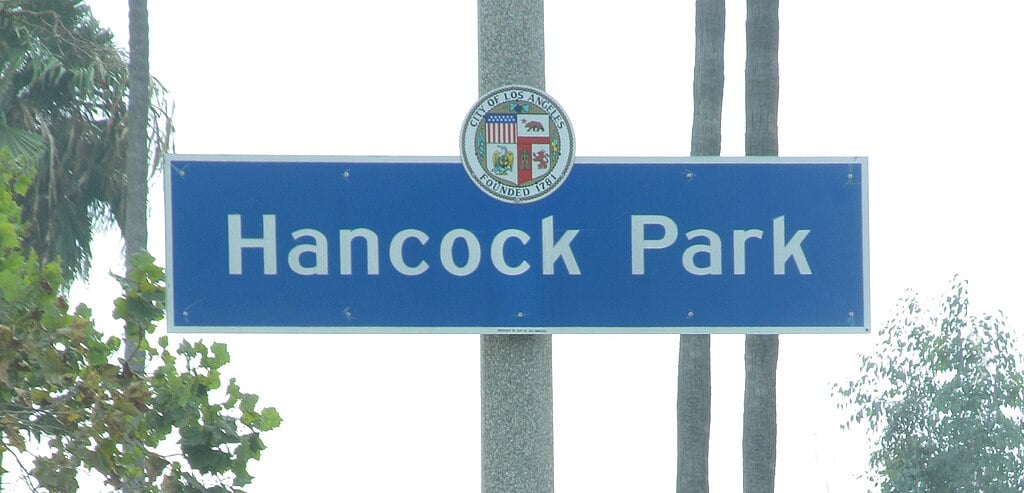
Phatblackmama, CC BY-SA 4.0 <https://creativecommons.org/licenses/by-sa/4.0>, via Wikimedia Commons
Check out this article next